Choosing Between Diesel Generators and Portable Power Systems for Jobsite Use
Understanding the Two Main Options for Jobsite Power
When a construction site, repair project, or outdoor event needs electricity, the choice often comes down to two broad categories: diesel generators and portable battery-based power systems. Each has its own strengths, and the right pick depends on the job’s demands, the site conditions, and how long the power must run. This article compares the two approaches so you can weigh what fits your work.
Diesel generators have been the standard for decades. They burn diesel fuel to spin an alternator and produce alternating current. Portable power systems, often built around lithium-ion battery packs and an inverter, store energy and deliver it silently without combustion. Both supply rated output, but they do it in very different ways.
How Diesel Generators Work on a Jobsite
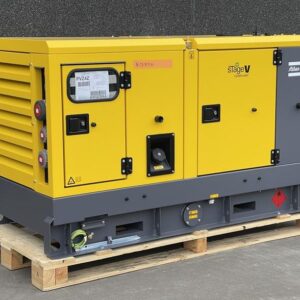
A diesel generator uses a compression-ignition engine coupled to an alternator. When the engine runs, it turns the alternator, which generates electricity. The setup is straightforward and robust. Diesel fuel stores a lot of energy per gallon, so a generator can run for many hours on a single tank. Fuel consumption varies with load, a generator running at half power uses less fuel than one running flat out, but it still burns fuel whenever the engine is on.
One practical point is starting current. Many tools and machines draw several times their running current for the first second or two when they start. A diesel generator can typically deliver that surge because the engine and alternator have some inertia and the voltage regulator can compensate briefly. That makes diesel generators a common choice for running large motors, compressors, and welders.
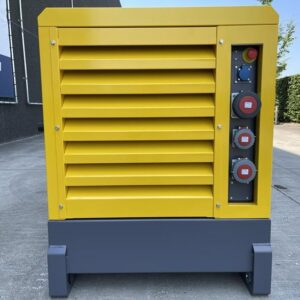
On the downside, diesel generators produce exhaust fumes, noise, and heat. They need ventilation, which can be a problem inside a building or in a tight urban site. Refueling means handling diesel fuel, storing it safely, and scheduling deliveries. Regular maintenance, oil changes, filter replacements, and checking the cooling system, keeps the unit reliable.
How Portable Power Systems Work on a Jobsite
Portable power systems store electricity in batteries and convert it to usable AC through an inverter. They produce no exhaust and very little noise. That makes them suitable for indoor work, noise-sensitive areas like hospitals or schools, and overnight use where quiet matters. Many models can be charged from a wall outlet or from solar panels, which gives flexibility on sites where fuel delivery is hard.
One limitation is runtime. A battery-based system holds only so much energy. Once it is drained, you must recharge it, which can take hours. For a site that needs power continuously for two or three shifts, a battery system alone may not be enough unless you have multiple units or a way to recharge while one unit runs. The inverter also has a limit on the surge current it can supply. Some tools with high starting current may trip the inverter or fail to start.
Modern portable power systems often include a power distribution panel with multiple outlets, circuit breakers, and sometimes a transfer switch for connecting to a backup source. They are lighter and easier to move than a comparable diesel generator, which matters on sites where equipment is loaded and unloaded frequently.
When Each Option Makes Sense
Diesel Generators Are Strong When
- The job runs for long hours without a break, and fuel is easy to get.
- Large motors, pumps, or compressors need the surge current a generator can provide.
- The site is outdoors or well-ventilated, so exhaust and noise are not problems.
- You need a single, simple machine that can power multiple tools at once through a load bank or distribution panel.
Portable Power Systems Work Well When
- The work is indoors, in a quiet zone, or in a place where fumes are dangerous.
- Power needs are moderate and runtime can be matched to battery capacity with recharging breaks.
- You value portability, low maintenance, and the ability to charge from multiple sources.
- Clean, silent operation matters for the crew or the surrounding community.
In many cases, a jobsite uses both. A diesel generator runs the heavy gear during the day, and a portable power system handles lights and small tools in the evening or in areas where the generator cannot reach. This kind of mix is common on large construction sites and in event production.
Key Factors to Compare
Rated output is the continuous power a unit can supply. Diesel generators are available in a wide range, from small portable units to large skid-mounted models. Portable power systems also come in various sizes, but the top end is usually lower than what a diesel generator can deliver for the same weight and cost.
Starting current is the brief surge needed to start a motor. Generators handle it better because the engine and alternator have rotating mass. Battery inverters rely on electronics, and the surge capability is more limited. If your tools include large circular saws, concrete mixers, or air compressors, check the surge rating of any portable power system before relying on it.
Fuel consumption and energy cost matter on long jobs. Diesel generators burn fuel even at idle, though at a lower rate. Battery systems only consume stored electricity, but the cost of charging and the number of charge cycles affect the total expense. For a one-day job, the difference may be small. For a month-long project, the numbers can shift the balance.
Runtime depends on tank size or battery capacity. A diesel generator can run 24 hours a day if refueled. A portable power system may run 8 to 12 hours on a charge, then need several hours to recharge. For continuous power, a generator with a large tank or a fuel supply line is hard to beat.
Power distribution is how you get electricity from the unit to the tools. Generators usually have a few outlets and may need a separate distribution panel or load bank for large sites. Portable power systems often integrate outlets, USB ports, and sometimes a transfer switch for clean backup power.
Practical Considerations on the Jobsite
One thing that surprises some crews is the noise difference. A diesel generator running at full load can be loud enough to require hearing protection, and it can disturb neighbors or other trades working nearby. Portable power equipment, on the other hand, runs silently. That can improve communication on site and reduce fatigue.
Another factor is maintenance. Diesel engines need regular attention: oil, fuel filters, air filters, and coolant checks. Batteries and inverters need much less day-to-day care, but they do degrade over time. The battery capacity slowly drops after several hundred charge cycles, so the unit will eventually need replacement or battery service.
Portable power equipment also handles weather differently. Most portable power systems are weather-resistant but not waterproof. They should be kept dry. Diesel generators can run in rain and snow as long as the air intake is protected and the unit is on stable ground. Neither should be operated in standing water.
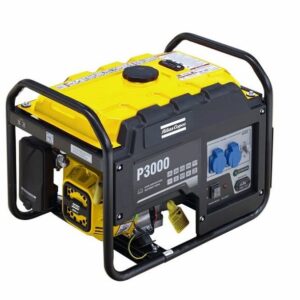
For jobsites where power needs change from day to day, having both options available gives flexibility. A diesel generator can cover the high-demand days, and a portable power system can handle lighter work or fill in when the generator needs maintenance.
Making the Choice
There is no single best option for every jobsite. The right choice depends on how much power you need, how long you need it, where the site is, and what kind of tools you run. Diesel generators offer proven reliability, high surge capacity, and long runtime. Portable power systems offer silence, zero emissions, and ease of use. Many crews find that a mix of both gives them the most freedom on the job.
Look at the rated output of the equipment you plan to use, add up the starting current for the largest motors, and estimate how many hours the site will need power each day. That will tell you whether a diesel generator alone will be enough, whether a portable power system can handle the load, or whether you need both. The goal is to keep the work moving without interruptions and without creating safety or noise problems that slow the project down.